Calories in a Chipotle Steak Burrito: Full Breakdown (2026)
The steak burrito is the leanest meat burrito Chipotle makes, because steak carries only 150 calories per serving, the lowest of any protein. That still leaves you near 915 calories for a standard build, and the reason is the same as always: the tortilla and the rice account for 530 of them before the meat arrives. Here is the full breakdown.
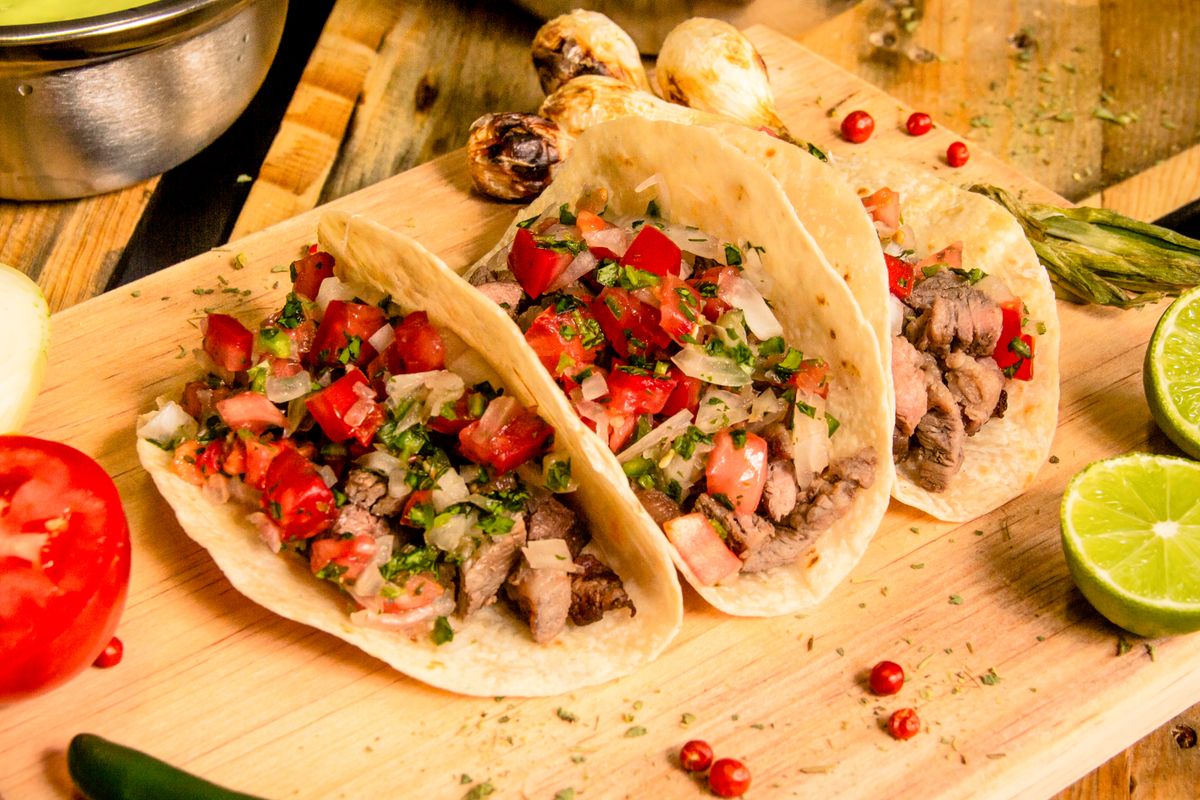
A standard Chipotle steak burrito, flour tortilla, white rice, black beans, steak, fresh tomato salsa, and cheese, contains about 915 calories with 42g of protein. Adding guacamole takes it to ~1,145, while skipping rice and cheese brings it down to about 595.
- Standard build: ~915 calories, 42g protein, ~112g carbs.
- Steak adds only 150 calories, the leanest protein on the menu.
- The tortilla is 320, more than double the steak.
- With guacamole: ~1,145; fully loaded ~1,385.
- Bowl version saves 320 calories at the same price.
- Lightest build: ~530 with no rice, cheese, or sour cream.
Ingredient by Ingredient
| Ingredient | Calories | Protein |
|---|---|---|
| Flour tortilla | 320 | 8g |
| White rice | 210 | 4g |
| Steak | 150 | 21g |
| Black beans | 130 | 8g |
| Cheese | 110 | 6g |
| Fresh tomato salsa | 25 | 1g |
| Total | ~915 | ~42g |
The instructive ratio: the steak is only 16% of the calories but half the protein. The tortilla and rice together contribute 530 calories and almost all the carbohydrate, which tells you exactly where to cut.
Add-On Costs
| Addition | Calories | Running total |
|---|---|---|
| Standard steak burrito | — | 915 |
| + Guacamole | +230 | 1,145 |
| + Queso blanco | +240 | 1,155 |
| + Sour cream | +110 | 1,025 |
| + Double steak | +150 | 1,065 (63g protein) |
| + Fajita veggies | +20 | 935 |
Six Builds Compared
| Build | Calories | Protein |
|---|---|---|
| Minimal (no rice, beans, cheese) | ~530 | 30g |
| No rice | ~705 | 42g |
| No cheese | ~805 | 36g |
| Standard | ~915 | 42g |
| + Guacamole | ~1,145 | 44g |
| Fully loaded (guac + queso + sour cream) | ~1,385 | 51g |
The Bowl Alternative
Same fillings in a bowl: ~595 calories, a saving of exactly 320 at identical price. It also drops roughly 50g of carbs and 600mg of sodium, and it is naturally gluten free. If you want the wrap anyway, the free side tortilla trick gives you both options.
Calorie figures for every other protein burrito are at burrito calories, the exact bowl comparison at burrito vs bowl calories, and the item guide at steak burrito.
Frequently Asked Questions
How many calories are in a Chipotle steak burrito?
A standard steak burrito with flour tortilla, white rice, black beans, steak, fresh tomato salsa, and cheese contains approximately 915 calories with 42 grams of protein.
How many calories is a steak burrito with guacamole?
About 1,145 calories, since guacamole adds roughly 230. Adding queso instead adds about 240, and adding both pushes the burrito past 1,380.
Is a steak burrito lower calorie than chicken?
Slightly, by about 30 calories, since steak is 150 per serving versus 180 for chicken. Chicken delivers more protein though, 32 grams against 21, so chicken is the better choice per calorie if protein matters.
How much protein is in a Chipotle steak burrito?
About 42 grams: 21 from the steak, 8 from black beans, 8 from the flour tortilla, and 6 from cheese. Double steak raises the total to roughly 63 grams.
What is the lowest calorie steak burrito?
Around 530 calories: flour tortilla, steak, fajita veggies, fresh tomato salsa, and lettuce, skipping rice, beans, cheese, and sour cream. It still provides about 30 grams of protein.
Should I get a steak bowl instead?
If calories matter, yes. The bowl version saves exactly 320 calories, the weight of the tortilla, at the same price, landing near 595 for the same fillings.
How many carbs are in a steak burrito?
About 112 grams in the standard build, with roughly 50 from the tortilla and 40 from the rice. Skipping the rice brings it to about 62 grams.
Methodology
Figures are computed from Chipotle official per-ingredient nutrition data as of October 2026. Portions are hand-scooped, so real-world values vary by roughly 10 percent either way. Nutrition content is general information and not medical or dietary advice.