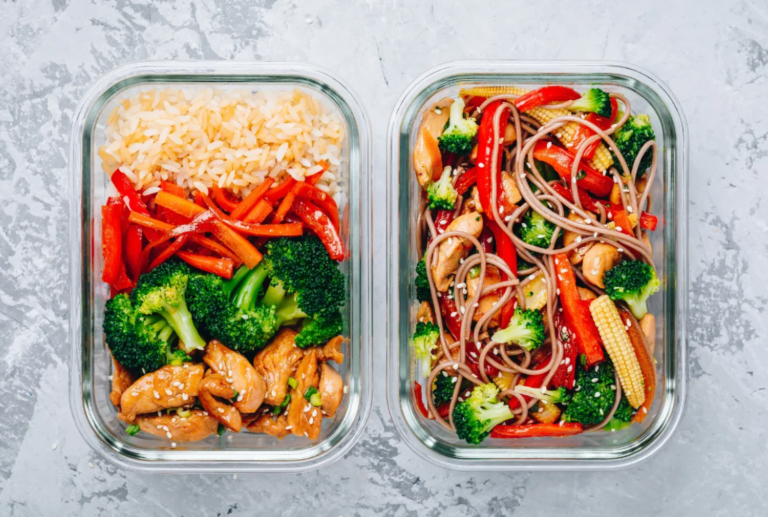
Chipotle Chicken Recipe: Nine Ingredients, and No Orange Juice
There are four mutually exclusive versions of the Chipotle chicken marinade circulating, and one of them is presented as what Chipotle really uses. Chipotle publishes an ingredient list for its chicken, and it settles the argument: there is vinegar in it, and there is no citrus in it at all. The orange juice that keeps appearing in copycat recipes belongs to a completely different Chipotle item.
⬇️ Jump straight to the recipe

Chipotle lists its chicken as chicken, water, morita chilli, vinegar, sunflower oil, spices, garlic puree, oregano and salt. So the marinade is the adobo paste plus vinegar — and no lime, lemon or orange juice. Marinate 2 to 8 hours, sear hot to 165F, rest 10 minutes, and chop it only after it is cooked.
- Vinegar is in Chipotle chicken. Its steak has none.
- No citrus at all on the published list. No lime, no orange.
- Orange juice belongs to pollo asado, a different menu item.
- Chop after cooking, not before — the one point every source agrees on.
- 32g of protein per 4 oz — the most of any Chipotle protein.
- Chipotle never says thigh or breast. We use thigh and say why.
What Chipotle Lists
Chipotle menu description is identical for its chicken and its steak: responsibly raised, marinated in our chipotle adobo, then grilled. The ingredient lists are where they diverge.
| Chipotle chicken | Chipotle steak |
|---|---|
| Chicken (93%) | Beef |
| Water | Adobo paste (water, morita chilli, sunflower oil, garlic puree, cumin powder, black pepper, oregano) |
| Morita chilli | |
| Vinegar | |
| Sunflower oil | |
| Spices | |
| Garlic puree | |
| Oregano | |
| Salt | Salt |
Same building blocks, with one documented difference: the chicken has vinegar in it and the steak does not. That is worth copying exactly, and it is the only place Chipotle own documentation distinguishes the two marinades.
Ingredients
- 2 lb (900 g) boneless skinless chicken thighs
- 1/2 cup adobo paste (or 3 tbsp canned chipotle in adobo, blended)
- 2 tbsp white wine or distilled vinegar
- 2 tsp fine salt
- 1 tbsp sunflower oil, for the pan
Instructions
- Trim and even out the thighs. Pull off any large fat pads and press the thighs flat so they are roughly even in thickness. Uneven pieces cook unevenly and you cannot fix it later.
- Mix the marinade. Adobo paste, vinegar and salt. Chipotle lists vinegar in its chicken and no citrus at all, so resist the urge to add lime.
- Coat and refrigerate 2 to 8 hours. Turn the thighs through the marinade until coated and refrigerate. Two hours does the job; overnight is better. Past about ten hours the texture starts to soften more than you want.
- Bring to room temperature. Thirty minutes out of the fridge before cooking. Cold chicken hitting a hot pan steams on the outside before it cooks through.
- Sear hot, 5 to 7 minutes a side. Heavy pan or griddle over a high heat with the sunflower oil, smoking slightly. Lay the thighs down and leave them alone until they release easily. Cook to 165F / 74C.
- Rest 10 minutes. On a board, loosely covered. This is not optional – chop it straight away and the juices run out onto the board instead of staying in the meat.
- Chop AFTER cooking, not before. Into rough half-inch pieces. Every reliable version of this recipe agrees on this and it is what gives the charred edges and juicy middles Chipotle has. Scrape the board juices back over the chopped chicken.
Recipe Notes
- There is no citrus on Chipotle chicken list. The widely repeated claim that Chipotle marinade contains orange juice is the hallmark of POLLO ASADO, which is a separate limited-time Chipotle item – not its everyday chicken.
- Chipotle chicken list contains vinegar; its steak list does not. That is the one documented difference between the two marinades.
- Thigh rather than breast is our choice, not Chipotle. Chipotle has never published which part of the bird it uses. Thigh holds up to the high heat and the long marinade far better.
- Chipotle holds its cooked proteins in their own juices through service. Letting the chopped chicken sit in the board juices for ten minutes genuinely closes part of the gap between homemade and restaurant.
- Keeps 4 days refrigerated, 3 months frozen. Freeze it raw in the marinade if you are planning ahead – it thaws and cooks better that way.
Estimated Nutrition
Calculated estimate for one serving of this home recipe, not a Chipotle figure. It will shift with your brands, cuts and portioning.
As on every page in this silo: Chipotle publishes per-item ingredient lists on its UK site, because UK labelling law requires the disclosure. Its US site publishes no equivalent list, so UK and US formulations may differ.
The Orange Juice Mistake
Search for this recipe and you will find four incompatible answers about the marinade: orange juice and lime, white vinegar, lime only, and no marinade at all. One of the orange juice versions is presented as what Chipotle genuinely uses.
Where the orange juice almost certainly came from: pollo asado. That is a separate Chipotle protein, run as a limited-time item, and citrus is central to how Chipotle describes it. Someone conflated the two, and the claim has propagated. The same thing happens with carne asada, which is finished with fresh-squeezed lime — also not the everyday chicken.
Here is the full audit against Chipotle list:
| Commonly added | On Chipotle chicken list? |
|---|---|
| Orange juice | No — that is pollo asado |
| Lime juice | No |
| Vinegar | Yes |
| Brown sugar | No |
| Ancho or generic chilli powder | Chipotle names morita chilli |
| Smoked paprika | No — that is in sofritas |
| Onion or onion powder | No |
| Canned chipotles in adobo | Workable, but brings tomato, vinegar and sugar |
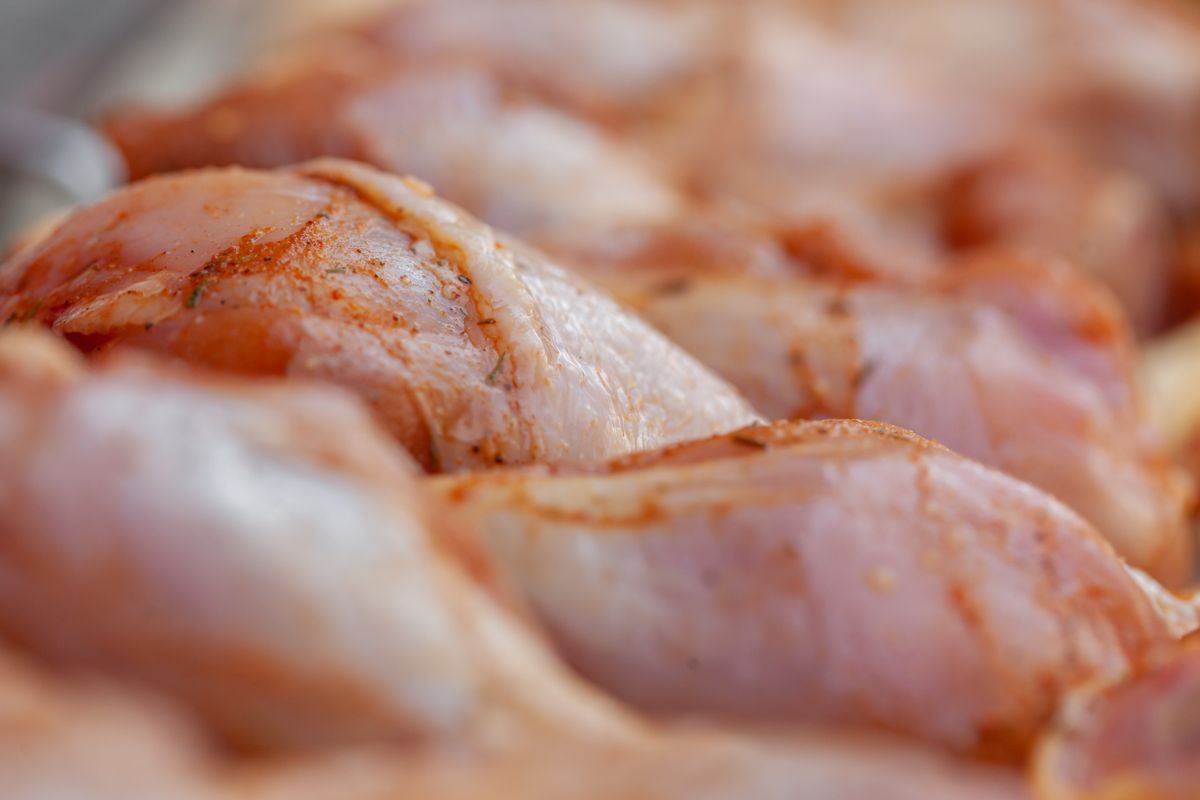
Thigh or Breast? Chipotle Does Not Say
Chipotle ingredient list says chicken (93%). That is the whole of what it publishes about the cut. Anyone stating confidently that Chipotle uses thighs only, or breast only, is working from a server conversation or an assumption.
We use boneless skinless thighs, for reasons that are about the method rather than about Chipotle:
| Thighs | Breast | |
|---|---|---|
| Long acidic marinade | Holds up well | Goes mealy |
| Very high heat | Forgiving | Dries out in a minute or two |
| Texture when chopped | Stays juicy | Tends to shred dry |
| Cost | Cheaper | More expensive |
| Calories | Higher | Lower |
If you use breast, pound it to an even half-inch first and pull it at 160F to carry over to 165F. That is the only way it survives this method.
Chop It Afterwards
Of all the technique advice attached to this dish, this is the one where every reliable source converges, and it is worth understanding rather than just following.
Chipotle grills its chicken in whole pieces and chops it on the board. That sequence produces two things at once:
- Charred exterior edges — a whole thigh develops a crust across its whole surface, and chopping distributes those crusted edges through the pile.
- Juicy interiors — the inside of a thigh is protected by that crust while it cooks.
Chop first and you get neither: small pieces have no inside, they release their moisture into the pan, and you end up with something closer to dry mince than to Chipotle chicken.
The Protein Numbers
Chipotle publishes figures for all five of its everyday proteins, and chicken wins the comparison that most people care about:
| Per 4 oz, Chipotle published | Calories | Fat | Sodium | Protein |
|---|---|---|---|---|
| Chicken | 180 | 7 g | 310 mg | 32 g |
| Steak | 150 | 6 g | 330 mg | 21 g |
| Barbacoa | 170 | 7 g | 530 mg | 24 g |
| Carnitas | 210 | 12 g | 450 mg | 23 g |
| Sofritas | 150 | 10 g | 560 mg | 8 g |
Our home version comes out slightly higher on calories and fat than Chipotle figure, because thighs are fattier than whatever blend Chipotle uses, and higher on sodium because two teaspoons of salt across two pounds is generous. Drop to one and a half teaspoons if that matters.
The Trick Nobody Writes About
Here is something that explains a gap you may have noticed between homemade and restaurant versions, and that no recipe we examined addresses.
Chipotle chicken has been sitting in its own juices for a while by the time you eat it. It is cooked in batches and held through service, in a pan, in the liquid it released. Your home version goes from the pan to the bowl in four minutes.
That holding time does real work: the chopped pieces reabsorb seasoned liquid, the edges soften slightly, and the flavour distributes. A just-chopped pile of chicken tastes sharper and more separate than the restaurant’s.
You can replicate part of it for free:
- Chop the rested chicken and put it in a bowl, not on a plate.
- Pour in every drop of board and pan juice.
- Cover and leave it 10 minutes before building anything.
That is also why Chipotle chicken reheats better than it has any right to, and why this recipe is good for meal prep — see our bowl at home guide for the full five-day version.
Make the adobo paste first; one batch covers four pounds of meat. Then rice, beans and salsas. Everything is indexed on the copycat recipes page.
Frequently Asked Questions
What is in Chipotle chicken marinade?
Chipotle publishes the list: chicken, water, morita chilli, vinegar, sunflower oil, spices, garlic puree, oregano and salt. Its menu describes the chicken as responsibly raised, marinated in our chipotle adobo, then grilled. So the marinade is essentially the adobo paste — morita chilli, oil, garlic, cumin, black pepper and oregano — with vinegar added.
Does Chipotle chicken marinade have orange juice in it?
No. There is no citrus of any kind on Chipotle published list for its chicken. The orange juice claim is widespread and one highly visible recipe presents it as what Chipotle actually uses, but orange is the signature of pollo asado — a separate limited-time Chipotle protein. The two have been conflated. Chipotle everyday chicken contains vinegar, not citrus.
Does Chipotle use chicken thighs or breast?
Chipotle has never published which part of the bird it uses, so anyone who tells you definitively is guessing. Its ingredient list says chicken (93%) and nothing more. We use boneless skinless thighs because they survive a long marinade and a very hot pan far better than breast, and because the texture is closer to what Chipotle serves.
How long should you marinate Chipotle chicken?
Two to eight hours in the fridge. Chipotle publishes no marination time and does not say whether its chicken is marinated in restaurant or by its suppliers. Two hours is enough for the adobo to register; overnight is better. Beyond about ten hours the vinegar and salt start to soften the texture more than you want.
Should you chop Chipotle chicken before or after cooking?
After, always. This is the single strongest point of agreement across every established recipe for this dish, and it is how the restaurant does it — the chicken is grilled in whole pieces and chopped on the board. Chopping first gives you small dry pieces with no charred edges and no juicy middles.
How many calories are in Chipotle chicken?
Chipotle own published figure is 180 calories per 4 oz portion, with 7g of fat, 310mg of sodium and 32 grams of protein. That 32g is the highest protein figure of any Chipotle protein — more than barbacoa at 24g, carnitas at 23g and steak at 21g. If protein is the goal, chicken is the pick and it is also the cheapest.
Is Chipotle chicken spicy?
Mildly warm rather than spicy. The chilli in the marinade is morita, which is a smoke-dried red jalapeno, so it brings smoke more than heat. Most people read Chipotle chicken as smoky rather than hot. It does mean no Chipotle meat order is entirely free of chilli.
Can you freeze Chipotle chicken?
Yes, for about three months, and freezing it raw in the marinade works better than freezing it cooked. The marinade protects the surface from freezer burn and the chicken continues marinating as it thaws. Cooked and chopped, it keeps four days refrigerated and reheats best in a pan with a splash of water rather than in a microwave.
Methodology
The ingredient list on this page is Chipotle own, from its published ingredient statement, in which ingredients run in descending order of weight; that statement is on Chipotle UK site, as UK labelling law requires, and the US site publishes no equivalent list. The menu description is quoted verbatim from Chipotle US nutrition facts menu, as are the nutrition figures. Chipotle has never published a recipe, a marination time, a cut, a cooking temperature or an equipment type for its chicken, so every quantity and time in the recipe is our own development work, informed by where the most established published recipes agree with one another. Where a widely repeated claim about Chipotle marinade conflicts with Chipotle own ingredient list, this page says so and names the list.