Chipotle Food Sourcing: What Food With Integrity Means
Chipotle food sourcing is the thing the company has built its entire price premium on, and it is worth separating the marketing from the commitments. Some of it is specific and verifiable. Some of it is a phrase Chipotle uses without ever defining. And one of the most useful figures is one Chipotle published about its own shortfall, which is a better sign of honesty than any slogan.
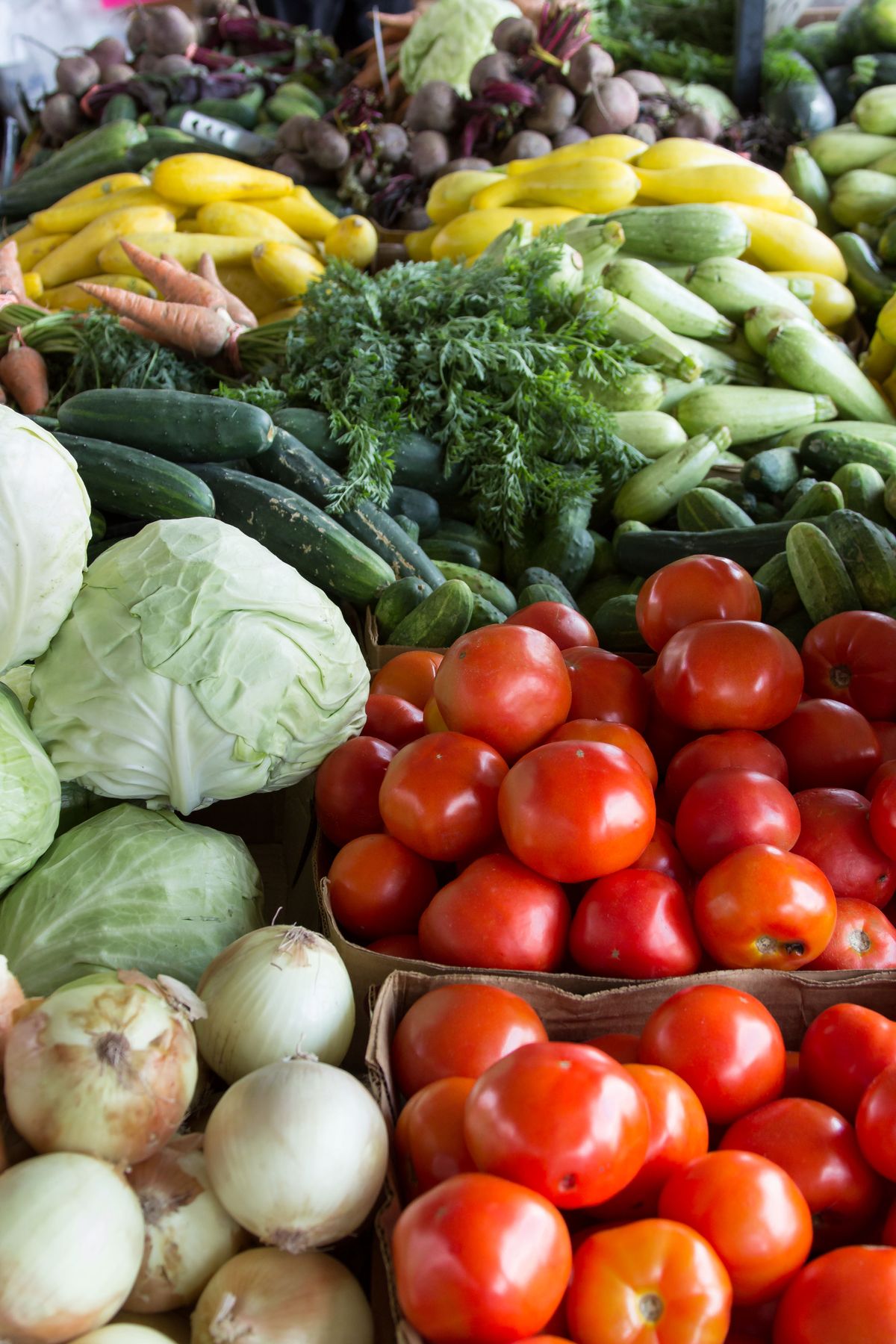
Chipotle says its menu runs on 53 real ingredients. Its published commitments include meat from animals with no added hormones and no non-therapeutic antibiotics, and dairy from cows never administered rBST. Notably, Chipotle also disclosed that in 2021 87 percent of its pork — not all of it — came from animals that received no antibiotics.
- 53 real ingredients is the current Chipotle claim.
- No added hormones and no non-therapeutic antibiotics in the meat.
- Dairy from cows never given rBST, described as pasture-raised.
- 87% of 2021 pork was antibiotic-free — Chipotle disclosed the gap.
- Responsibly Raised is not formally defined on its welfare page.
- Real Foodprint tracks five measures with researcher HowGood.
The Specific Commitments
Food with Integrity and Responsibly Raised are both registered Chipotle trademarks, listed as such in its annual report. Underneath the branding sit a handful of claims that are specific enough to hold the company to.
| Commitment | What Chipotle says |
|---|---|
| Hormones | Meat from animals raised with no added hormones |
| Antibiotics | Meat from animals that do not receive non-therapeutic antibiotics |
| Dairy | Cheese and sour cream from cows never administered rBST, described as pasture-raised |
| Ingredient count | 53 real ingredients across the menu |
| Preparation | Food prepared in the restaurant |
Two of those deserve a closer look. Non-therapeutic antibiotics is a narrower claim than antibiotic-free, and deliberately so — Chipotle says sick animals do receive needed medical treatment. That is a defensible animal welfare position rather than a loophole, but it is not the same as never.
The 53 real ingredients figure has moved: Chipotle quoted 51 in 2019 and uses 53 in 2026. The claim is about the smallness of the number, not the list itself — it is an argument that everything on the menu is a recognisable food.
The Figure Chipotle Did Not Have To Publish
This is the most useful thing on Chipotle welfare page, and it is the part that works against the marketing.
A company that only wanted to market its sourcing would have published the 100 percent figures and stopped. Disclosing the 87 percent — and explaining the reason for the gap — is the behaviour of a company that expects to be checked.
Two caveats on it, though. Those are 2021 figures, and Chipotle has not published an update, so the current split is unknown. And the gap is specific to pork, which is the hardest protein to source to that standard at scale.
What Is Not Defined
Being straight about the gaps, because sourcing pages tend to restate marketing as if it were specification.
- Responsibly Raised has no published definition. Chipotle uses the phrase, and registers it as a trademark, but its animal welfare statement does not set out what the standard actually requires.
- No space or pasture requirements are published for the meat animals. The only pasture reference is to the cows behind the cheese and sour cream, and that is not defined either.
- No current organic percentage. Supported organic land is one of five Real Foodprint measures, which tells you organic sourcing exists in the chain without telling you how much.
- No current local produce figure.
And one correction worth making, because it gets attributed to Chipotle constantly: the no freezers, no microwaves, no can openers line is Baja Fresh positioning, not Chipotle. Chipotle has never made that claim. Our restaurants like Chipotle guide covers who actually says it.
Real Foodprint
Chipotle describes Real Foodprint as the first sustainability tracker of its kind. It was built with the independent research firm HowGood, which compares each Chipotle ingredient against the industry-average agricultural impact on five measures:
- Reduced carbon emissions
- Antibiotics avoided — expressed per order, in milligrams of antibiotics not given to animals
- Water saved
- Improved soil health
- Supported organic land
The per-order antibiotics figure is the most concrete output, and the involvement of an outside research firm is meaningful — self-assessed sustainability claims are worth considerably less.
Is the Premium Worth It?
That is a personal judgment, but it can at least be framed accurately.
What you are paying for is a combination of the sourcing standards above, in-restaurant preparation, and a company-owned operating model — Chipotle owns and operates every restaurant in the United States, Canada and Europe, so it carries the full cost of each site. The breakdown is on our why Chipotle is expensive guide.
What sourcing does not buy you is a nutritional pass. Chipotle own published data puts a burrito at 850 to 1,200 calories, with the flour tortilla alone adding about 320, and sodium is high across much of the menu. Responsibly raised meat is still meat, and a loaded bowl is still a loaded bowl. Our is Chipotle healthy guide and sodium guide cover that side.
For a balanced look at where Chipotle has fallen short, including its 2020 criminal food safety resolution, see our honest look at the criticisms. The company overall is on our about Chipotle hub.
Frequently Asked Questions
What is Chipotle’s Food With Integrity?
It is Chipotle’s long-running sourcing programme and a registered trademark, listed as such in its annual report alongside Responsibly Raised. In practice it covers commitments on how animals are raised, what the ingredients are, and preparing food in the restaurant rather than finishing it from off-site production.
What are Chipotle’s 53 real ingredients?
Fifty-three is the count Chipotle currently uses for the ingredients across its whole menu, up from the 51 it quoted in 2019. The point of the claim is the small number rather than the specific list: Chipotle uses it to argue that everything on the menu is a recognisable food ingredient.
Does Chipotle use antibiotic-free meat?
Its stated commitment is meat from animals that do not receive non-therapeutic antibiotics, which is a narrower claim than antibiotic-free. Chipotle says sick animals do receive needed medical treatment. Its own 2021 figures showed beef and chicken animals received no antibiotics, while 87 percent of pork came from animals that received none, with the remaining 13 percent from farms that keep pigs in the programme after treatment for a diagnosed illness.
Does Chipotle use hormone-free meat?
Chipotle states that its meat comes from animals raised with no added hormones, and that its cheese and sour cream come from cows never administered rBST, a synthetic growth hormone. Those are specific published claims rather than general marketing language.
What is Chipotle Real Foodprint?
A sustainability tracker Chipotle describes as the first of its kind, built with the independent research firm HowGood. It compares Chipotle’s 53 real ingredients against industry-average agricultural impact on five measures: reduced carbon emissions, antibiotics avoided, water saved, improved soil health and supported organic land. Antibiotics avoided is expressed per order in milligrams.
Is Chipotle food actually organic?
Chipotle does not publish a current figure for how much of its produce is organic, so there is no reliable percentage to quote. Supported organic land is one of the five measures in its Real Foodprint tracker, which indicates organic sourcing forms part of the supply chain without telling you how much.
Methodology
Sourcing claims on this page are taken from Chipotle own animal welfare commitment statement, its Real Foodprint sustainability material and its filings with the Securities and Exchange Commission, checked in October 2026. Where Chipotle published a figure for a specific year, that year is stated, because several of its published percentages date from 2021 and Chipotle has not published an update. Where Chipotle uses a term without defining it publicly, this page says so rather than supplying a definition from elsewhere.